
It can be difficult to approach conversations with clients or patients about privacy and navigating decisions about sharing their treatment information.
To help you have these important conversations, the CoE-PHI has put together a series of resources to assist substance use treatment providers and peer support workers in having meaningful conversations with their patients or clients about the privacy of their treatment information. These resources will help you ensure that the people you provide services to have the information they need to make informed decisions.
The following resources are organized by role and include brief videos modeling effective conversations, sample scripts, and implementation tools to help you prepare for these conversations.
- Resources for Peer Support Workers
- Resources for Providers of Substance Use Treatment
- Patient Voices: Confidentiality Is the Cornerstone of Your Patients’ Recovery
Resources for Peer Support Workers
Peer Recovery Support Specialists have a unique role in assisting individuals through the recovery process.
The following resources are specifically designed for Peer Recovery Support Specialists to assist them in discussing concepts of privacy and navigating decisions with their clients about sharing their treatment information.
How to Have the Conversation: Videos for Peer Support Specialists
These videos (and accompanying scripts) model effective conversations between Peer Support Specialists and their clients about concepts of privacy and navigating decisions about sharing their treatment information. This series of videos are informed by real-life scenarios Peer Support Specialists may encounter and include:
- A video modeling an effective, informed conversation between a Peer Support Specialist and Their Client
- A video modeling an effective, informed conversation between a Peer Support Specialist and Their Client, focused specifically on sharing information for the purposes of paying for their treatment services.
- A video modeling an effective, informed conversation between a Peer Support Specialist and Their Client, focused specifically on clients that may have questions around sharing their treatment information with CPS (or with other administrative agencies) to satisfy conditions of their sanctioned treatment.
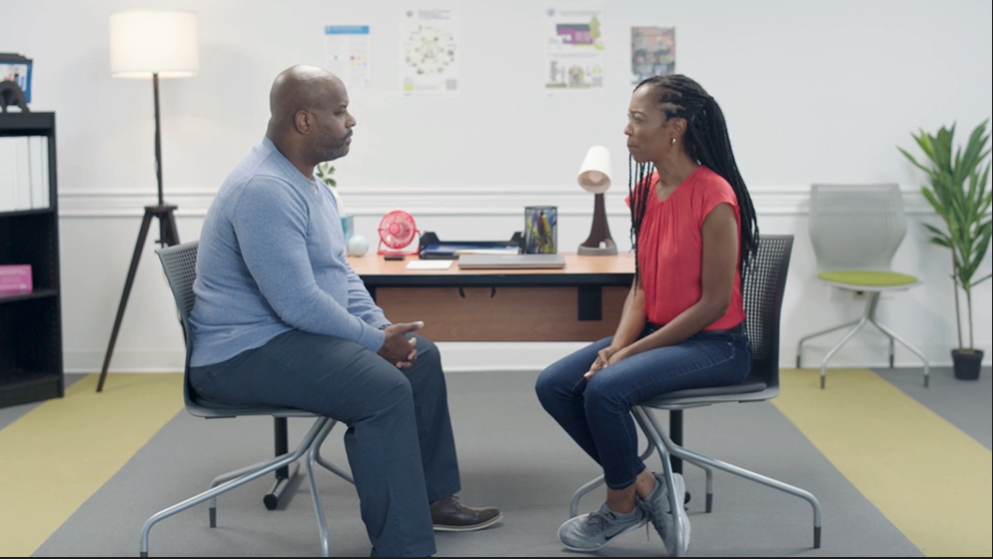


Key Steps to Having an Effective Conversation: Worksheet for Peer Support Specialists
This worksheet is designed to assist peers in thinking through how they might approach each key step of this important conversation with their clients.
Each key step includes example phrases that you might use throughout the conversation and provides space on the worksheet for you to put each of these phrases into your own words.

Preparing to Have the Conversation: Checklist for Peer Support Specialists
Organizations that provide substance use treatment services may go about addressing client privacy and consent to use or disclose (i.e., share) information about the services a client receives differently.
They may use different types of consent forms, collect information about services clients receive in different ways, and offer different
options for payment for services when clients don’t have (or don’t want to use) their health insurance.
Use the checklist below to gather information that will help you support your client through this process.

NEW: Resources for Providers of Substance Use Treatment Services
Providers of substance use treatment services have a responsibility to ensure that their patients understand concepts of privacy and why they might consider allowing their treatment information to be shared. Having conversations with patients about their rights to privacy in a way that is meaningful and relatable to patients will increase the likelihood of them starting- and staying engaged in- the recovery process and reduce the likelihood of relapse.
The following resources are intended for Providers of Substance Use Treatment Services, including physicians, mental health nurse practitioners, clinical social workers, and counselors, and are meant to assist in discussing concepts of privacy and navigating the consent process.
How to Have the Conversation: Video for Substance Use Treatment Providers
This video (and accompanying script) models an effective conversation between a provider and their patient, including calls to action identifying key steps the viewer can take in having meaningful conversations about concepts of privacy and the decision-making power that patients have in the process of consenting to share their SU treatment information.
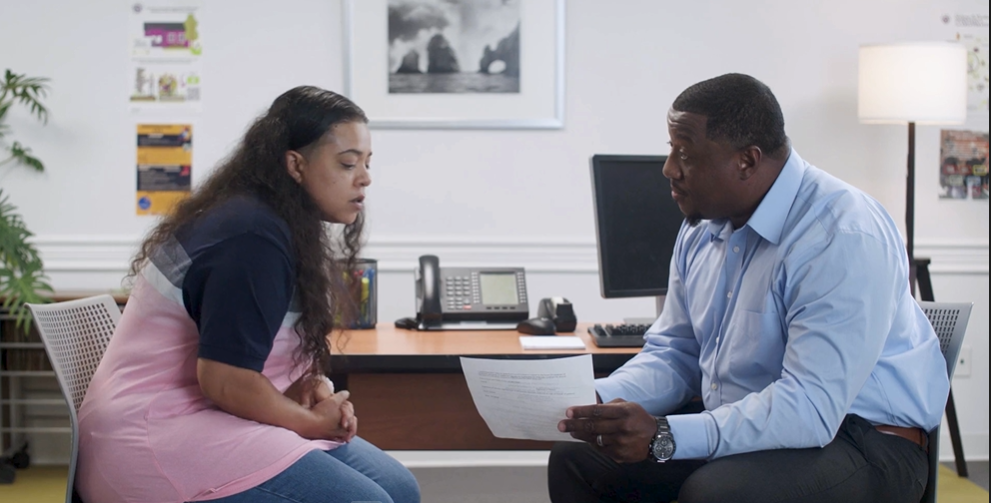
We encourage providers to also view the videos intended for Peer Recovery Support Specialists above, to help navigate complex conversations such as:
- Addressing clients that may have concerns about using their health insurance for payment, or who are unable to pay out of pocket for treatment
- Addressing clients that currently be involved with the Child Protective Services (CPS) system, and may have needs to share information with CPS
Header text
Key Steps to Having an Effective Conversation: Worksheet for Substance Use Providers
This worksheet is designed to assist you in thinking through how you might approach each key step of this important conversation with your patients.
Each of these key steps include example phrases you might use throughout the conversation and provides space on each worksheet for you to put each of these phrases into your own words. Each key step is also outlined within the general video linked above, and appear on screen as a “call to action.”
Preparing to Have the Conversation: Checklist for Substance Use Providers
Organizations that provide substance use treatment services go about privacy and consent to use or disclose (i.e., share) treatment information differently. They may use different types of consent forms, collect information about services patients receive in different ways, and offer different options for payment for services when clients don’t have or don’t want to use their insurance.
To assist you in gathering helpful information from these organizations to discuss with your patients, we have created this implementation checklist.

Patient Voices: Confidentiality is the Cornerstone of Your Patients’ Recovery
Hear from patients directly about what they need in order to feel comfortable seeking, receiving, and staying in treatment!
This CoE-PHI video, featuring the perspectives of individuals with lived experience, is meant to illustrate for metal health and substance treatment providers why confidentiality is so important to their patients’ treatment process.
Special thanks to the individuals who bravely share their stories with us.
Need assistance with utilizing these tools?
Reach out to the CoE-PHI team for technical assistance if you or your organization have questions, want to request training, or need help with implementation.